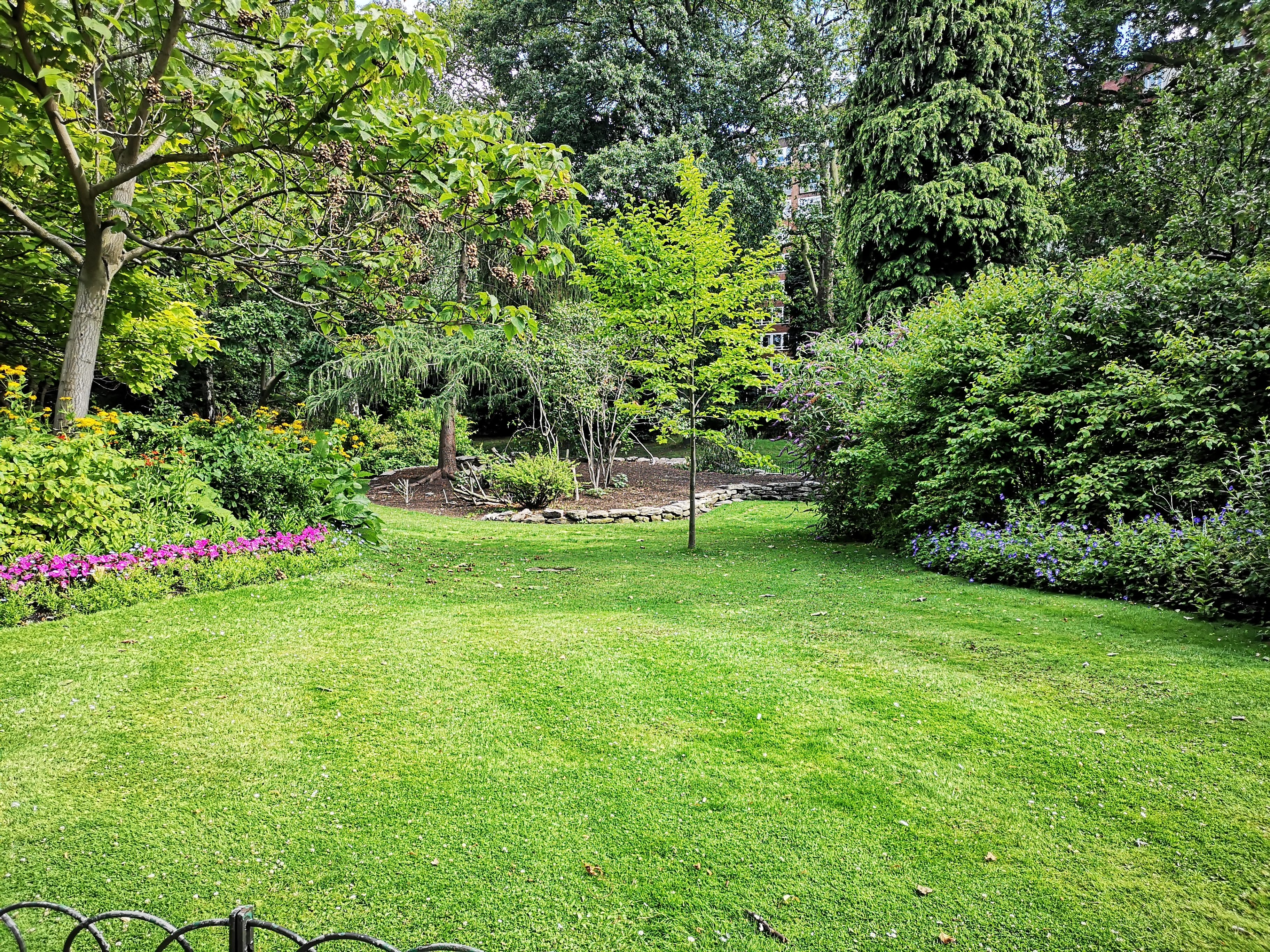
Creating Outdoor Havens: Mastering the Blend of Softscaping and Hardscaping Apr 24, 2026
Softscaping refers to the living, horticultural elements of landscaping, including trees, shrubs, flowers, and grass. These living elements bring color, fragrance, and texture to your garden, enhancing its aesthetic appeal and ecological benefits. Hardscaping, on the other hand, comprises the non-living, structural components like patios, walkways, retaining walls, and water features. These elements add functionality and structure, creating defined spaces for relaxation and entertainment.
The key to a successful outdoor haven lies in mastering the balance between these two elements. To achieve this harmony, start by considering the overall purpose of your outdoor space. Whether you envision a tranquil retreat, a vibrant gathering spot, or a sustainable garden, defining your goals will guide your softscaping and hardscaping choices.
Begin by assessing your garden’s existing layout and features. Take note of sun exposure, soil conditions, and natural drainage patterns. These factors will influence the types of plants suitable for your softscaping and the materials best suited for your hardscaping needs. By aligning your designs with these natural elements, you create a more cohesive and sustainable landscape.
When it comes to softscaping, diversity is key. Incorporating a variety of plants with different heights, textures, and colors ensures visual interest and ecological balance. Native plants are particularly beneficial, as they are adapted to local climate conditions and require less maintenance. In addition, consider the seasons—select plants that offer year-round interest, from spring blooms to winter greenery, ensuring your garden remains appealing throughout the year.
Integrating hardscaping requires a more structured approach. Paths and walkways can dictate the flow of your garden, guiding visitors through the space. Patios and decks serve as outdoor extensions of your living area, providing spots for relaxation and entertainment. When choosing materials, consider both aesthetics and durability. Natural stone, pavers, and brick offer timeless appeal and resilience, while modern materials like composite decking add a contemporary touch.
Another important aspect of blending softscaping with hardscaping is the use of focal points. Elements such as water features, sculptures, or fire pits can serve as anchors, drawing the eye and providing structure to your garden. These features often become conversation starters and enhance the overall ambiance of your outdoor space.
The finishing touches come with accessories and lighting. Incorporating outdoor lighting not only extends the usability of your garden into the evening hours but also highlights the beauty of both your plants and hardscape features. Similarly, accent pieces like furniture and planters can add personality and comfort.
In conclusion, creating an outdoor haven involves more than just aesthetic preferences; it requires an understanding of how softscaping and hardscaping work together to form a cohesive environment. At John Page Landscaping, our expertise lies in masterfully crafting these elements to suit your needs and lifestyle, transforming your yard into an inviting sanctuary. By balancing the living beauty of plants with the structure of hard materials, you can achieve a harmonious outdoor space that not only enhances your home's value but also enriches your quality of life.
/filters:no_upscale()/filters:format(webp)/media/fa8516e5-745f-404c-9d14-2a24b26dec1a.jpeg)