Sustainable Landscaping: Eco-Friendly Designs for Your Garden Apr 27, 2026
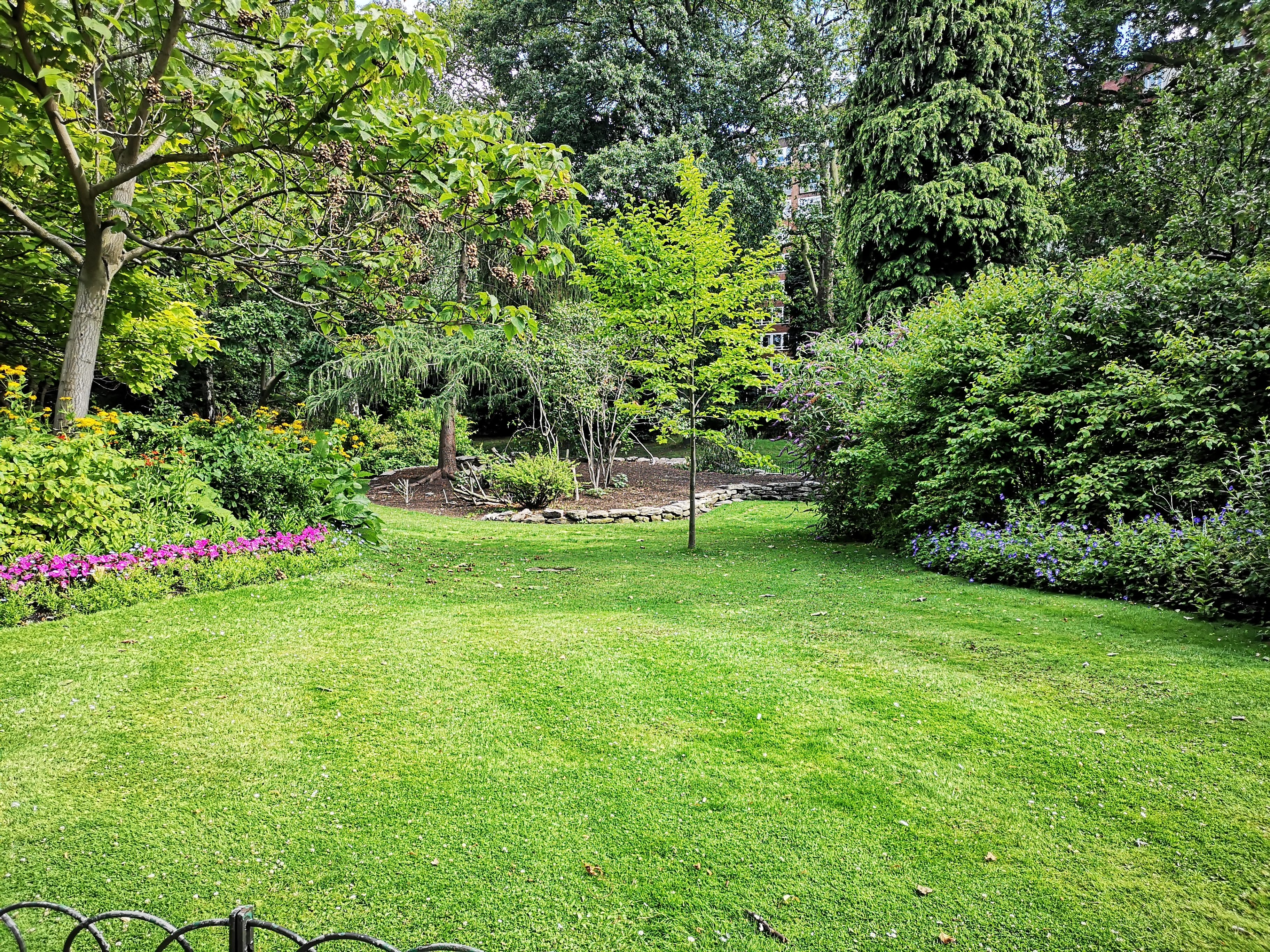
Sustainable landscaping, at its core, involves employing methods and techniques that minimize environmental impact. This includes reducing water usage, supporting biodiversity, and choosing plants that are naturally suited to your local climate. By employing these strategies, you can significantly reduce your garden's carbon footprint while enjoying a lush, thriving outdoor space.
One of the simplest ways to start with sustainable landscaping is by selecting native plants. Native flora generally requires less water and maintenance because they have adapted to thrive in the local climate and soil conditions. This not only reduces your garden’s dependence on irrigation but also minimizes the need for chemical fertilizers and pesticides, promoting a healthier ecosystem.
Water conservation is another essential component of eco-friendly garden design. Implementing rainwater harvesting systems or installing drip irrigation can substantially lower water consumption. Drip irrigation systems are particularly effective, as they deliver water directly to the roots of plants, reducing evaporation losses and ensuring efficient water use. Mulching is another excellent technique, as it helps retain soil moisture, suppresses weeds, and adds organic matter to the soil as it degrades.
John Page Landscaping also recommends incorporating permeable paving in your hardscape design. Permeable surfaces allow water to infiltrate the ground, reducing surface runoff and promoting natural groundwater recharge. This practice not only benefits your garden but also helps mitigate urban flooding. Materials such as gravel, porous concrete, and permeable interlocking pavers are excellent choices for constructing eco-friendly pathways and patios.
Integrating wildlife-friendly elements into your garden design can greatly enhance biodiversity. Birdhouses, bat boxes, and butterfly gardens create welcoming habitats for local wildlife. These features not only support ecosystem health but also provide unique opportunities for observing nature right in your backyard.
Consider composting as well to recycle garden waste into rich, nutrient-dense soil enhancer. Composting reduces the need for chemical fertilizers and helps improve soil structure, allowing for better water retention and healthier plants. Using natural fertilizers, such as manure or organic compost, aligns with sustainable gardening practices by feeding the soil rather than just the plants.
Sustainable landscaping doesn’t only benefit the environment but also adds value to your property by creating a unique, attractive landscape design that stands out. Moreover, adopting eco-friendly practices can reduce maintenance costs and time, allowing you to enjoy your garden more without the tedious upkeep.
At John Page Landscaping, we’re committed to helping you transform your yard into an eco-friendly oasis. Our team is trained in the latest sustainable landscaping techniques and is ready to design a garden that reflects both your personal style and environmental responsibility.
In conclusion, transitioning to a sustainable landscape is a rewarding endeavor that supports environmental health and aesthetic appeal. By choosing native plants, conserving water, and promoting wildlife, you contribute generously to ecological conservation efforts while enjoying the rewards of a beautiful, functional garden. Reach out to us at John Page Landscaping to start designing your eco-friendly garden today!
/filters:no_upscale()/filters:format(webp)/media/fa8516e5-745f-404c-9d14-2a24b26dec1a.jpeg)