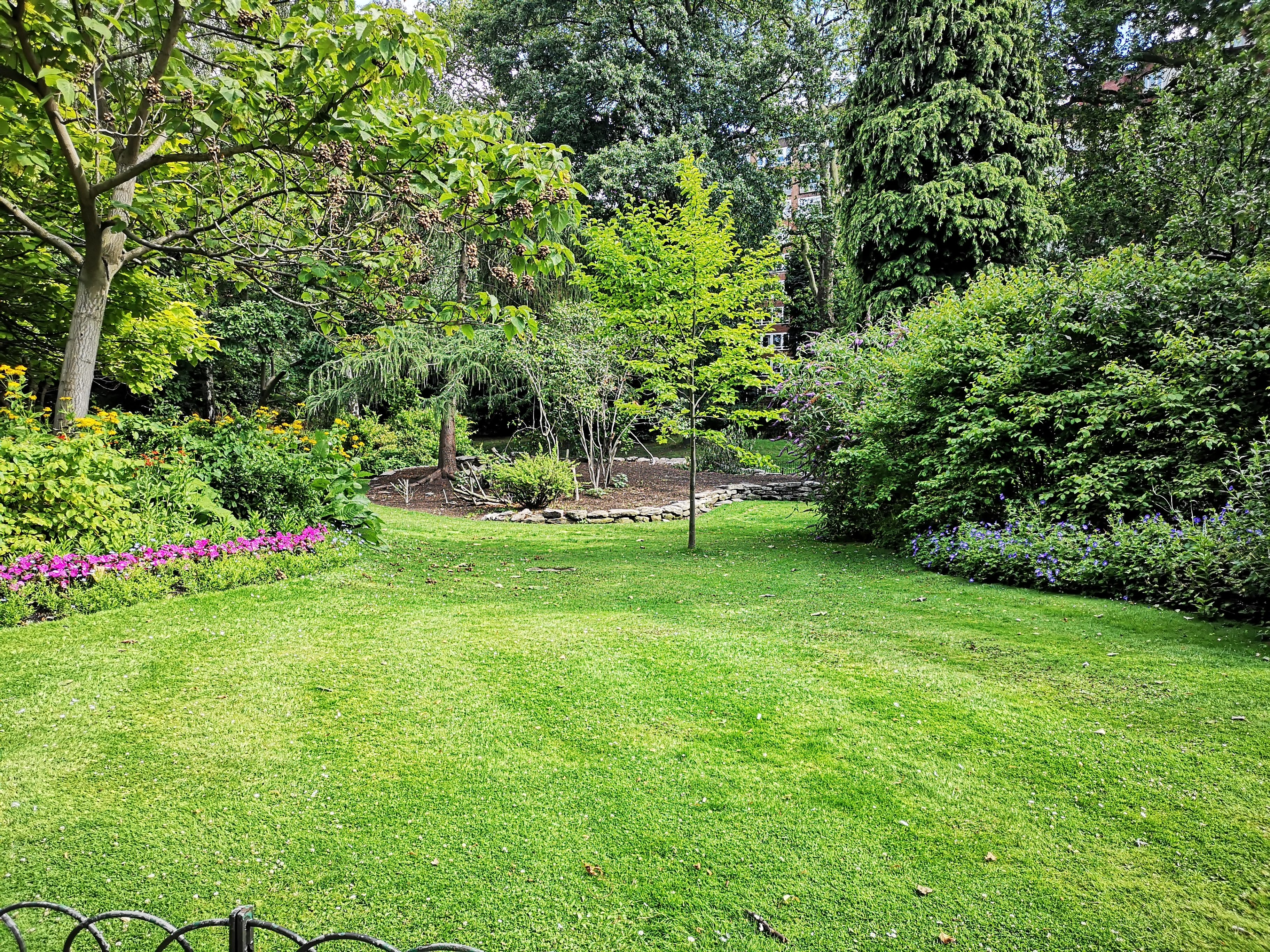
Transform Your Outdoor Space with Creative Landscaping Ideas Mar 30, 2026
Start with a Vision: Imagine what your ideal outdoor area looks like. Do you prefer lush greenery or intricate stonework? Identifying your style will ensure the results align with your expectations. Consider functionality; if you entertain often, incorporate ample seating and a dining area. For families, child-friendly features such as a lawn or sandbox might be necessary.
Incorporate Diverse Plants: A well-designed landscape thrives on plant diversity. Mixing perennials with vibrant annuals and evergreens maintains interest throughout the different seasons. Perennials offer a reliable bloom each year, while annuals provide bursts of color. Evergreens ensure your landscape doesn’t look barren during the winter months. Be mindful of your local climate and choose plants accordingly to ensure they flourish.
Embrace Hardscaping: Hardscaping is all about the non-living elements in your garden, like walkways, walls, and patios. Integrating natural stone or pavers adds texture and sophistication. A winding pathway can guide visitors through your garden, while a patio constructed with durable materials offers a perfect spot for social gatherings. Water features like fountains or ponds can bring a soothing ambiance. Install retaining walls to add layers and visual interest, especially if your property is on a slope.
Add Functional Features: Bring a new dimension to your outdoor space with functional features like a grill station or outdoor kitchen. These elements extend your living area and make entertaining guests a breeze. Outdoor lighting is another crucial element, allowing you to enjoy your landscape after sunset. Consider installing solar lights along pathways or string lights for a more festive atmosphere.
Create Zones: Divide your outdoor area into distinct zones to maximize utility and aesthetics. A separate space for dining, lounging, or gardening can make your landscape more functional. Use different materials or plants to naturally delineate these areas. For instance, a pergola can define a cozy sitting nook, while a raised garden bed can section off a vegetable growing area.
Promote Sustainability: Sustainable landscaping practices not only benefit the environment but can also reduce maintenance costs. Choose native plants that require minimal watering and care, and incorporate rain barrels to collect water for irrigation. Mulching your garden beds helps retain moisture and nourishes the soil as it breaks down.
Maintain Your Landscape: Once your outdoor area is beautifully landscaped, maintenance is key to ensuring its longevity. Regular weeding, pruning, and cleaning of hardscape areas preserve its appearance. Seasonal adjustments, like changing plant arrangements or reseeding the lawn, can keep your landscape dynamic.
Your outdoor space should be a reflection of your personality and lifestyle. With these creative landscaping ideas, you can transform it into a versatile and inviting extension of your home. At John Page Landscaping, we are dedicated to helping you bring these concepts to life, providing tailored solutions to match your unique needs. Get ready to enjoy your dream outdoor space—designed for both beauty and functionality.
/filters:no_upscale()/filters:format(webp)/media/fa8516e5-745f-404c-9d14-2a24b26dec1a.jpeg)