Unveiling Natural Beauty: Designing Landscapes with Native Plants Jun 25, 2026
Native plants, those that have evolved naturally in your region over thousands of years, are a crucial component of sustainable landscaping. These plants are well-adapted to local climate conditions, soil types, and ecosystems. By choosing native species, you are investing in hardy plants that require less maintenance, reducing the need for fertilizers and pesticides. This approach not only conserves resources but also promotes biodiversity, attracting beneficial wildlife such as pollinators and birds.
The first step in designing with native plants is understanding your site's specific conditions. Conduct a thorough assessment of your landscape’s soil, sunlight exposure, and moisture levels. With this data in hand, you can select plants that will not just survive but thrive in your garden. For instance, a sunny, well-drained site is ideal for prairie wildflowers and grasses, while a shady corner with moist soil could be perfect for ferns and woodland plants.
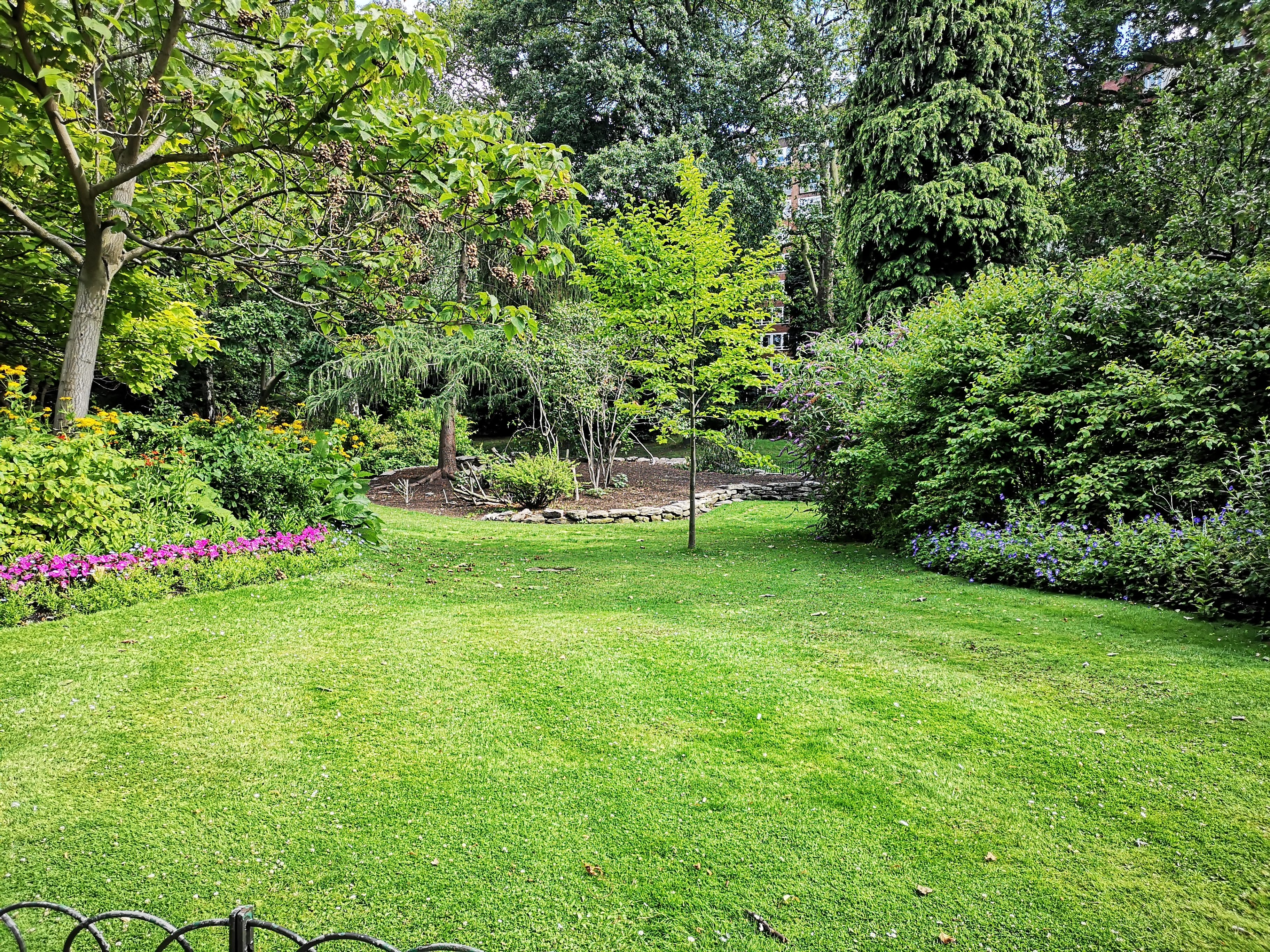
Once you have chosen your native plants, consider the principles of landscape design to create an aesthetically pleasing arrangement. Balance and scale are essential; taller plants should be placed in the back of a border or at the center of an island bed to prevent them from overshadowing smaller plants. Also, consider the color and texture of the foliage and blooms. Group plants with complementary colors and varying textures to add visual interest.
Planting in layers is another effective strategy. Combine groundcovers, shrubs, and trees to create a tiered effect that mimics the natural landscape. This approach not only adds depth to your garden but also provides habitats for various wildlife species. When planting, be mindful of spacing. Allow enough room for mature growth, so your plants have plenty of space to stretch without crowding each other.
Native plants often come with the added benefit of seasonal interest. While designing your landscape, plan for a sequence of blooms by selecting species with staggered flowering periods. This ensures your garden remains vibrant and engaging throughout the year, even in the off-peak seasons.
In addition to aesthetic and ecological benefits, native landscaping offers practical advantages. A garden composed of native species requires less watering, an increasingly important factor in regions prone to drought or water restrictions. This results in lower water bills and more sustainable gardening practices.
Partnering with a professional, like John Page Landscaping, can make navigating the complexities of native landscape design simpler. With our expertise, we ensure that your landscape not only meets your aesthetic desires but also aligns with sustainable gardening practices.
In conclusion, designing landscapes with native plants is not only a trendy design choice but an environmentally responsible one. It’s about inviting nature back into your home and creating a vibrant and lively outdoor space that respects and revitalizes the local environment. With a bit of planning and the willingness to experiment, your garden can transform into a thriving oasis that celebrates the beauty of native flora. By embracing this strategy, you are contributing to the conservation of local ecosystems and helping to ensure a more sustainable future.
/filters:no_upscale()/filters:format(webp)/media/fa8516e5-745f-404c-9d14-2a24b26dec1a.jpeg)